Are Expensive Exotic Oils Really Better? The Truth Behind Trending Skincare Ingredients
краткое описание
Walk through any beauty store or browse luxury skincare online, and you'll quickly notice a pattern. Products proudly advertise exotic oils like Marula, Prickly Pear, Kalahari Melon, or other rare botanical treasures from distant corners of the world.
But here's a question:
Are these oils truly superior, or are we sometimes paying more for a compelling story than for better skincare?
As someone who has spent years formulating natural skincare, I've learned that the real value of a plant oil isn't determined by its popularity or price tag. Instead, it lies in its chemistry.
What Really Makes a Plant Oil Valuable?
The effectiveness of any botanical oil depends primarily on two things:
- its fatty acid profile, and
- its unsaponifiable fraction—the naturally occurring compounds such as phytosterols, tocopherols (Vitamin E), squalene and other bioactive molecules.
These components determine how an oil nourishes the skin, supports the skin barrier, protects against oxidation and influences the texture of a skincare formula.
That means an expensive, fashionable oil isn't automatically more effective than a much more affordable alternative.
In many cases, carefully combining several accessible plant oils can deliver exactly the same skin benefits—often at a fraction of the cost.
Example 1: Prickly Pear Oil vs. Grape Seed Oil
Prickly Pear Seed Oil and Kalahari Melon Seed Oil are often presented as luxurious, premium ingredients.
Both contain approximately 60–70% linoleic acid and 15–25% oleic acid, giving them a light texture and making them excellent choices for supporting the skin barrier.
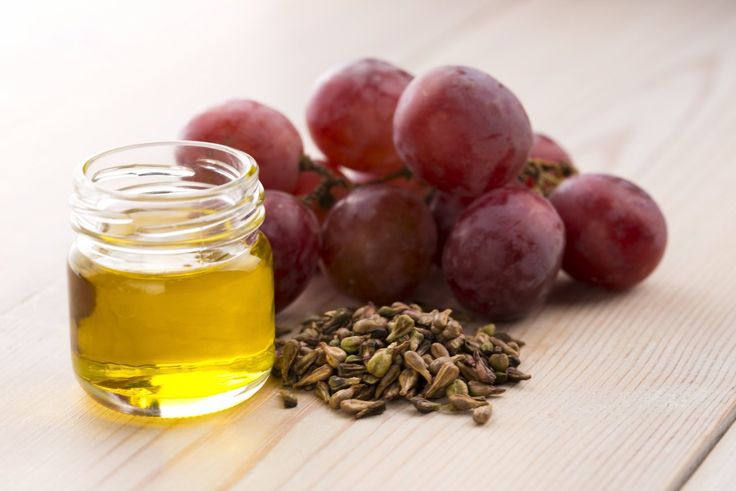
Now consider Grape Seed Oil.
Its fatty acid profile is remarkably similar, typically containing 60–78% linoleic acid, around 1% linolenic acid, and 15–25% oleic acid.
In practical terms, Grape Seed Oil can provide many of the same functional benefits while being significantly more affordable and widely available.
Example 2: Marula Oil vs. Olive and Macadamia Oils
Marula Oil has become one of the skincare industry's favorite luxury oils.
Its main characteristic is a very high concentration of oleic acid, typically around 70–80%.
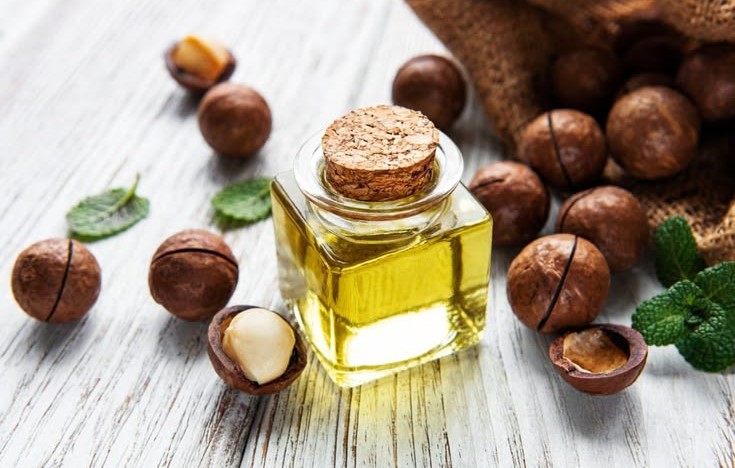
But Olive Oil can contain up to 83% oleic acid, making it surprisingly similar in its fundamental fatty acid composition.
Another excellent alternative is Macadamia Oil. In addition to its high oleic acid content, it naturally contains 16–24% palmitoleic acid—a rare fatty acid that closely resembles those found in human sebum.
This makes Macadamia Oil particularly interesting for supporting dry and mature skin.
Of Course, There Are Exceptions
Not every botanical oil can be easily replaced.
Some contain unique components that give them properties difficult to recreate with other oils.
Jojoba Oil is one of those exceptions.
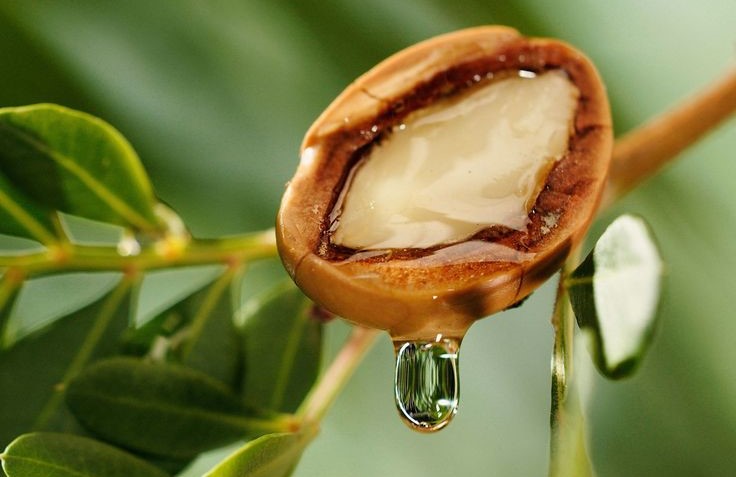
Technically, it is a liquid wax rather than a traditional oil, and its unique composition - including gadoleic acid - makes Jojoba Oil remarkably similar to the skin's own sebum. It is also exceptionally resistant to oxidation, which is why it remains one of favorite ingredients when creating the oil blends used in Oleama cream formulations.
Another outstanding example is Broccoli Seed Oil. Its naturally high level of erucic acid gives it an exceptionally smooth, silicone-like feel without using synthetic silicones. This unique sensory profile has made Broccoli Seed Oil a favorite ingredient in natural haircare products.
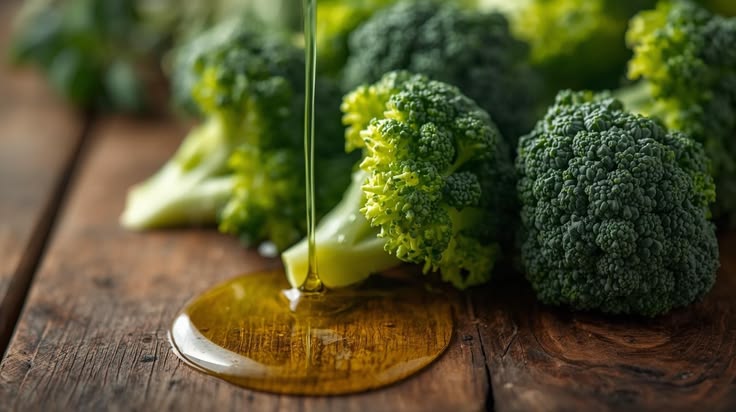
These oils are genuinely distinctive - but they are the exception rather than the rule.
Don't Buy the Story - Understand the Science
For most botanical oils, their performance is largely determined by their fatty acid composition. When two oils share a similar profile, they often deliver remarkably similar results on the skin.
This doesn't mean exotic oils are ineffective. Many are wonderful ingredients.
It simply means that their premium price often reflects rarity, origin and marketing as much as measurable performance.
The smartest approach isn't to judge an oil by its name or its country of origin.
Instead, ask a more important question:
What does this ingredient actually contribute to the formula?
At Oleama, this philosophy guides every formulation. Each oil is selected not because it is fashionable or exotic, but because it contributes a specific purpose, creating balanced formulas where every ingredient earns its place.
- skincare