The Soul of a Skincare Formula: Understanding Science Behind Natural Oils
The Soul of a Skincare Formula: Understanding Science Behind Natural Oils
When it comes to skincare formulation, oils are far more than simply “nourishing ingredients.” They are one of the most important components of the formula, influencing everything from texture and absorption to skin feel, stability and shelf life.
But how can we understand what a particular oil will actually do for our skin? How stable is it? How quickly will it oxidize? Is it better suited to dry, oily or sensitive skin? And how can we choose the right oils for our skin’s individual needs?
Of course, we can read the description provided by an online shop - or simply trust the seller's claims. But if you want to go one step further, take a look at the oil's Certificate of Analysis (CoA) and study its fatty acid profile, together with its physicochemical characteristics. These numbers can tell us surprising facts about the quality, stability and potential cosmetic behavior of any oil.
What Is the Fatty Acid Profile of an Oil?
The fatty acid profile (FAP) is one of the most important characteristics of a vegetable oil. It describes the types and proportions of fatty acids present in the oil.
Why does this matter?
Because different fatty acids give an oil different physical and cosmetic characteristics. The fatty acid composition can influence:
- how an oil feels on the skin;
- how quickly it is absorbed;
- whether it is liquid, semi-solid or solid;
- how stable it is against oxidation;
- how it behaves in a cosmetic formulation;
- and, to some extent, how suitable it may be for different skin types.
Most vegetable oils consist predominantly—typically around 95–97%—of triglycerides. The remaining fraction contains a mixture of compounds such as tocopherols, phytosterols, pigments, phenolic compounds, free fatty acids and other bioactive substances.
This smaller fraction is often called the unsaponifiable fraction, and although it represents only a small percentage of an oil, it can contribute significantly to its characteristics and antioxidant properties.
Saturated vs Unsaturated Fatty Acids
Fatty acids are broadly divided into saturated and unsaturated fatty acids.
Saturated Fatty Acids
Saturated fatty acids contain no carbon-carbon double bonds. This makes them generally more resistant to oxidation than unsaturated fatty acids.
Oils and fats rich in saturated fatty acids tend to be:
- more stable;
- richer and heavier in texture;
- more likely to be solid or semi-solid at room temperature;
- and often slower to spread or absorb.
Some important saturated fatty acids include palmitic, stearic, lauric and caprylic acids.
Stearic Acid
Stearic acid is a saturated fatty acid that contributes to the structure and richness of a skincare formulation. It can create a protective, occlusive feel on the skin and also makes fats and butters more solid.
It is found in significant amounts in ingredients such as cocoa butter, shea butter, mango butter, palm oil and tamanu oil.
However, it is important not to assume that the presence of stearic acid automatically means an oil or butter is comedogenic. The comedogenic potential of a finished product depends on the entire formulation, concentration and individual skin response.
Palmitic Acid
Palmitic acid is another saturated fatty acid that contributes to the richness, structure and skin feel of oils and butters.
It occurs naturally in ingredients such as cocoa butter, avocado oil, olive oil, baobab oil, shea butter, tamanu oil and rice bran oil.
Unsaturated Fatty Acids
Unsaturated fatty acids contain one or more carbon-carbon double bonds.
They can be divided into:
- monounsaturated fatty acids, containing one double bond;
- polyunsaturated fatty acids, containing two or more double bonds.
These oils are often lighter and more fluid and can provide a very elegant skin feel. However, their double bonds also make them more susceptible to oxidation.
Some of the most important unsaturated fatty acids in cosmetic oils include oleic acid, linoleic acid, alpha-linolenic acid and palmitoleic acid.
Linoleic Acid
Linoleic acid is a polyunsaturated fatty acid that plays an important role in maintaining the skin barrier.
It is particularly interesting for oily, blemish-prone and barrier-compromised skin. Linoleic acid is involved in the formation of skin lipids, including ceramides, and can contribute to maintaining a healthy barrier.
Oils particularly rich in linoleic acid include:
- grapeseed oil;
- evening primrose oil;
- pomegranate seed oil;
- watermelon seed oil;
- milk thistle oil;
- black cumin seed oil;
- wheat germ oil;
- raspberry seed oil;
- hemp seed oil;
- walnut oil.
Because linoleic acid is highly unsaturated, these oils generally require greater protection from heat, oxygen and light.
Alpha-Linolenic Acid
Alpha-linolenic acid (ALA) is an omega-3 polyunsaturated fatty acid.
It is associated with supporting the skin's natural inflammatory balance and maintaining healthy skin function.
It is found in high concentrations in oils such as:
- flaxseed oil;
- hemp seed oil;
- rosehip seed oil;
- cranberry seed oil;
- raspberry seed oil;
- sea buckthorn oil;
- blackcurrant seed oil;
- chia seed oil.
Because ALA contains several double bonds, oils rich in it can be particularly sensitive to oxidation.
Oleic Acid
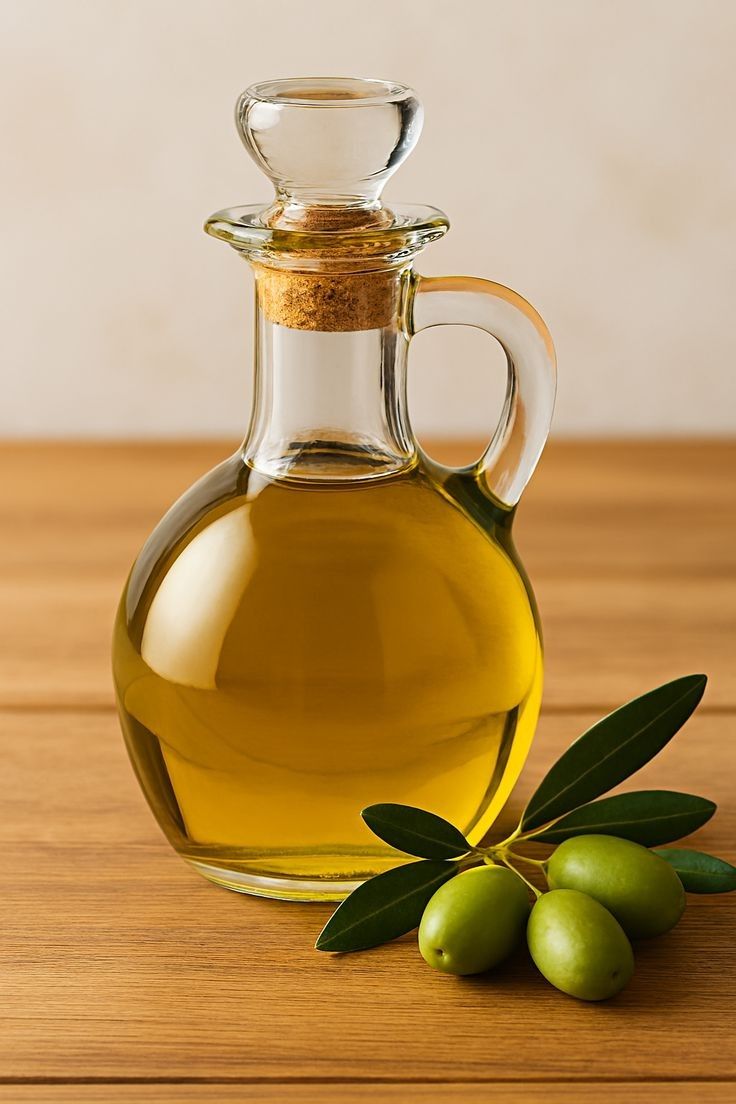
Oleic acid is a monounsaturated fatty acid and one of the most characteristic components of many rich, nourishing oils.
Oils high in oleic acid generally have a smooth, rich and emollient feel and are often particularly appealing in formulations for dry or mature skin.
Good examples include:
- olive oil;
- avocado oil;
- camellia oil;
- hazelnut oil;
- buriti oil;
- sweet almond oil;
- apricot kernel oil;
- peach kernel oil.
Oleic acid can also influence how an oil interacts with the skin barrier, so a high-oleic oil is not automatically the best choice for every skin type.
Palmitoleic Acid
Palmitoleic acid is a monounsaturated fatty acid that is particularly interesting because of its natural presence in the skin's lipid environment.
Oils containing notable amounts include macadamia oil, avocado oil and some nut oils.
It contributes to an emollient, conditioning skin feel and can be particularly valuable in formulations designed for dry or mature skin.
What About Erucic Acid?
Erucic acid is a monounsaturated fatty acid found in relatively high concentrations in certain plant oils.
Examples include broccoli seed oil, crambe oil, mustard seed oil and rapeseed oil.
It can contribute to a smooth, silky texture and excellent conditioning properties, which is one reason oils containing substantial amounts of erucic acid are particularly popular in haircare and lightweight oil blends.
One important clarification: jojoba is not technically a conventional triglyceride oil. It is primarily a liquid wax ester, which helps explain its exceptional oxidative stability and distinctive skin feel.
This is one of the reasons why jojoba oil is such an interesting ingredient in cosmetic formulation: it can contribute to the stability and elegance of an oil blend while also providing excellent emollient properties.
There Are Many More Fatty Acids
The fatty acids mentioned above are only part of the story.
Other fatty acids found in natural oils include:
- Gamma-linolenic acid (GLA) – associated with supporting the skin's barrier and soothing properties;
- Lauric acid – known for its antimicrobial activity and common in coconut oil;
- Myristic acid – contributes to the characteristics of certain fats and is important in soapmaking;
- Caprylic acid – a short-chain saturated fatty acid commonly found in coconut and some other oils;
- Arachidonic acid – an important polyunsaturated fatty acid involved in biological signaling.
The exact combination and concentration of these fatty acids gives every natural oil its own “fingerprint.”
And this is precisely why two oils can feel completely different on the skin even though both are simply described as “natural oils.”
What Can Physicochemical Characteristics Tell Us?
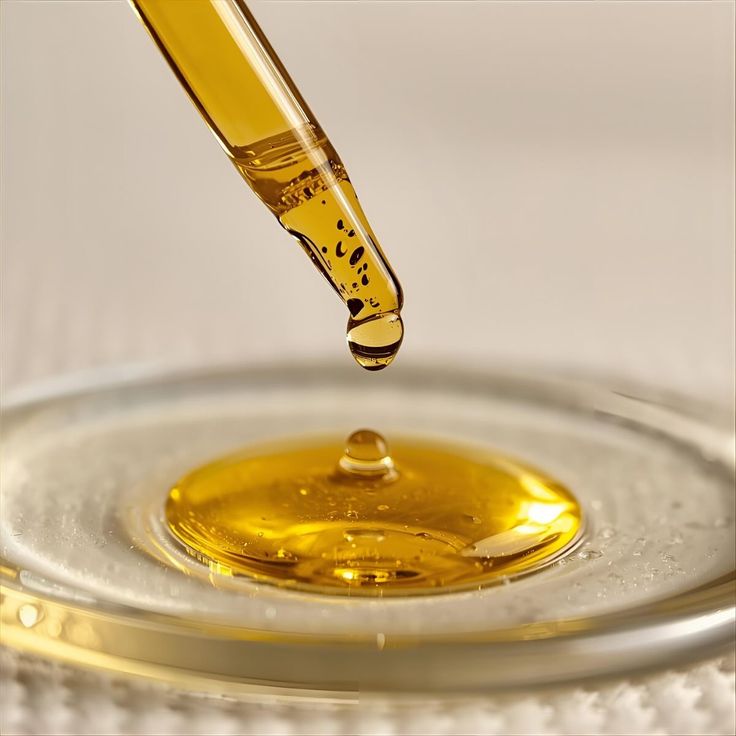
The fatty acid profile is only one part of the puzzle.
If you want to understand the quality and stability of an oil, several laboratory parameters are particularly useful.
1. Iodine Value: How Unsaturated Is the Oil?
The iodine value is a measure of the degree of unsaturation of an oil.
In simple terms, the higher the iodine value, the greater the proportion of unsaturated fatty acids—and generally, the greater the oil's susceptibility to oxidation.
Oils are traditionally classified according to their drying behaviour:
Non-drying oils
Iodine value below approximately 100
Examples include:
- olive oil;
- castor oil;
- peanut oil;
- almond oil;
- coconut oil;
- palm oil.
Semi-drying oils
Iodine value approximately 100–140
Examples include:
- sunflower oil;
- corn oil;
- soybean oil;
- sesame oil;
- rapeseed oil;
- cottonseed oil.
Drying oils
Iodine value generally above approximately 130–140
Examples include:
- flaxseed oil;
- hemp seed oil;
- tung oil;
- poppy seed oil.
The iodine value therefore gives us an important clue about how carefully an oil needs to be protected from heat, oxygen and light.
In general, the higher the iodine value, the more oxidation-sensitive the oil is likely to be.
This is why highly polyunsaturated oils often have shorter recommended shelf lives and benefit from cool, dark storage and antioxidant protection.
2. Acid Value: A Clue to Oil Quality and Freshness
The acid value indicates the amount of free fatty acids present in an oil.
As triglycerides break down through processes such as hydrolysis, free fatty acids can be released. A higher acid value can therefore indicate greater degradation or poorer storage conditions, although interpretation should always take the specific oil and specification into account.
A high acid value may be associated with:
- hydrolytic degradation;
- unpleasant odours;
- changes in sensory properties;
- reduced quality;
- and a greater risk of further deterioration.
Refined oils generally have lower free-fatty-acid levels because refining removes many of these compounds.
Unrefined oils, particularly high-quality virgin oils, naturally retain more of their original minor components and may therefore have somewhat different analytical values.
So, rather than asking whether a particular number is “good” or “bad” in isolation, it is better to compare it with the supplier's specification and the accepted standard for that particular oil.
Peroxide Value: Is the Oil Beginning to Oxidize?
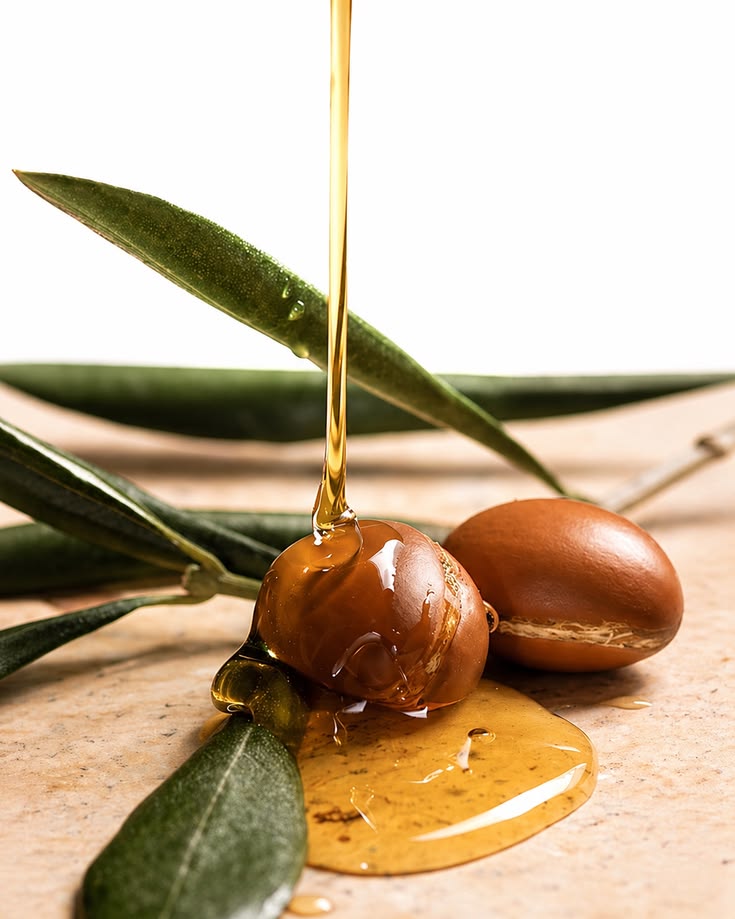
The peroxide value (PV) is one of the most useful indicators of the early stages of lipid oxidation.
When an oil reacts with oxygen, the first oxidation products formed are primarily peroxides and hydroperoxides.
As oxidation progresses, these unstable compounds can break down into secondary oxidation products, including aldehydes and ketones - which are often responsible for the characteristic unpleasant smell of rancid oil.
Therefore, peroxide value can give us an important indication of the oxidative condition and freshness of an oil.
Saponification Value: Understanding the Oil's Fatty Structure
The saponification value tells us how much potassium hydroxide (KOH) is required to saponify one gram of fat or oil.
In simpler terms, it gives us information about the average molecular characteristics of the fatty acids present.
This number is particularly important in soapmaking, where the saponification value is used to calculate the correct amount of alkali required to convert oils and fats into soap.
And here we meet another fascinating concept: the unsaponifiable fraction.
The Unsaponifiable Fraction: The Small Part That Can Make a Big Difference
Not everything in a natural oil turns into soap.
The unsaponifiable fraction contains compounds such as:
- tocopherols (vitamin E);
- phytosterols;
- carotenoids;
- phenolic compounds;
- hydrocarbons;
- and other biologically active substances.
Although these compounds represent only a relatively small proportion of many oils, they can have a significant influence on the oil's colour, aroma, antioxidant properties and cosmetic character.
This is one of the reasons why natural, minimally processed oils can be so fascinating.
For example, coconut oil contributes hardness, cleansing ability and abundant lather to soap, while olive oil produces a much milder, conditioning soap with a characteristically gentle feel.
The chemistry of the oil becomes the personality of the finished product.
So, Which Oil Is the “Best”?
There is no single best oil.
There is only the right oil for a particular purpose.
An oil rich in oleic acid may be wonderful for a rich facial formulation, while an oil rich in linoleic acid may be more appropriate for a lightweight formula designed for oily or blemish-prone skin.
A highly polyunsaturated oil may bring valuable bioactive compounds to a formula—but it will also demand more careful protection from oxidation.
A stable oil such as jojoba can provide excellent sensory properties and help create a more oxidation-resistant oil blend.
This is why choosing oils by simply looking at their marketing description - “luxurious,” “deeply nourishing,” “anti-ageing” or “superfood for the skin” - doesn't tell us the whole story.
The real story is hidden in the chemistry.
Remember: The Next Time You Choose an Oil, don't look only at its name.
- Look at its fatty acid profile.
- Look at its iodine value.
- Look at its acid value.
- Look at its peroxide value.
- Look at its saponification value and, where available, its unsaponifiable matter.
And preferably, look at the Certificate of Analysis and the supplier's technical specification.
That is when choosing cosmetic oils becomes less about guessing and much more about understanding.
- skincare